
Russian and Ukrainian animation
AnimeLIB: a library of Russian and Ukrainian animation, 1934 to 2026, and where to watch it
323 animated films: Soyuzmultfilm and Kyivnaukfilm classics, Ekran and Pilot shorts, Well, Just You Wait!, folk tales and fairy tales, New Year cartoons, auteur shorts and modern family features. Search a title and press Watch now.
Latest in the library
All titles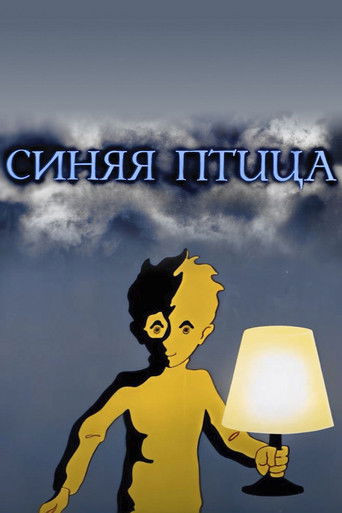
Guides
Guides- How to watch with AnimeLIBFrom the library shelves to the official service.
- SoyuzmultfilmThe great Moscow studio, founded in 1936.
- Ukrainian animationKyivnaukfilm, Ukranimafilm and the Kyiv studios.
- Folk tales and fairy talesBogatyrs, Baba Yaga, Kolobok and magic.
- New Year cartoonsFather Frost, snowmen and the New Year tree.
Collections
Collections- SoyuzmultfilmThe great Moscow studio, founded in 1936. · 91
- Ukrainian animationKyivnaukfilm, Ukranimafilm and the Kyiv studios. · 126
- Folk tales and fairy talesBogatyrs, Baba Yaga, Kolobok and magic. · 76
- New Year and winterFather Frost, snowmen and the New Year tree. · 25
- Feature filmsAnimated features of forty minutes or more. · 47
New titles
All titles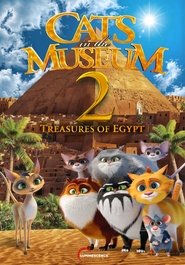 Feature
Cats in the Museum 2: Treasures of EgyptFeature
2026 · 90 minLicensing Brands
The main characters of the film, the mouse Maurice and the cats Vincent and Cleopatra, will travel from St. Petersburg to Egypt, where they will make new friends, visit the pyramids and open…
 Feature
The Myth of MaracudaFeature
2025 · 90 minCTB Film Company
The son of Chief Marakud should become a real warrior, but he does not know how to hunt at all and disappoints his father. Marakuda goes alone into the forest and finds the sacred bird Tink, which…
 Short
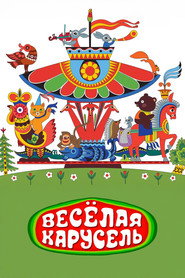
ShortHappy Merry-Go-RoundShort
1969 · 8 minSoyuzmultfilm
An animated magazine for children released by the Soyuzmultfilm studio.
 Feature
Finnick 2Feature
2025 · 85 minRiki Group
Finnick accidentally loses invisibility, and now the world of brownies is under threat. Together with his man Kristina, he goes in search of a magical magician who will help him regain invisibility.
 Short
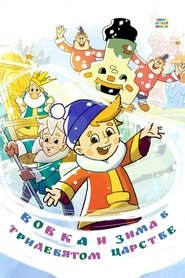
ShortVovka and Winter in the Kingdom of Far Far AwayShort
2021Soyuzmultfilm
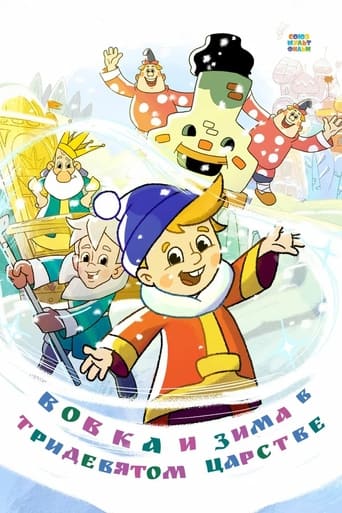
In search of a magic carpet, Vovka travels to the Kingdom of Far Far Away, where preparations for the New Year are underway. Vovka quarrels with Morozko and cancels winter, but the Tsar threatens…
 Short
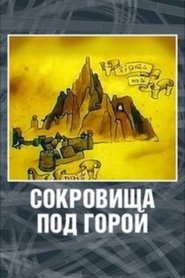
ShortThe Hobbit: Treasures Under the MountainShort
1994 · 6 minArgus International
Unrealized animated film based on Tolkien's works. The project was launched in 1991 and suspended due to the collapse of the Soviet Union. As for today only six minutes of prologue has been found…
 Feature
Three Bogatyrs and the Light with a WedgeFeature
2025 · 75 minCTB Film Company
A mysterious huge cloud threatens to eclipse the entire world and turn day into night, and only the brave Bogatyrs can stop the global-scale storm.
 Short
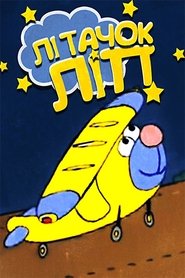
ShortLip the AirplaneShort
2000 · 10 minUkranimafilm
The life and adventures of an airplane Lip, who wanted to travel far beyond the oceans to view the different states and their customs. But he was not trusted to do such important and long voyages,…
 Short
ShortMy FamilyShort
1989 · 7 minKyivnaukfilm
A student must do his homework, writing a story about his family. As the boy was watching a program about animals, he inadvertently added fantastic facts, such as the number of a million people,…
 Feature
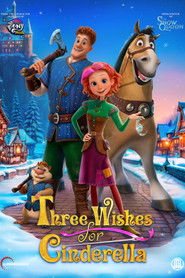
Three Wishes of CinderellaFeature
2026 · 82 minАрт Анимейшен студио
In this magical, funny twist on Cinderella, a woodcutter transformed into a chipmunk, a nut-granting tree, and true love help her escape a forced royal wedding.
Soyuzmultfilm
All titles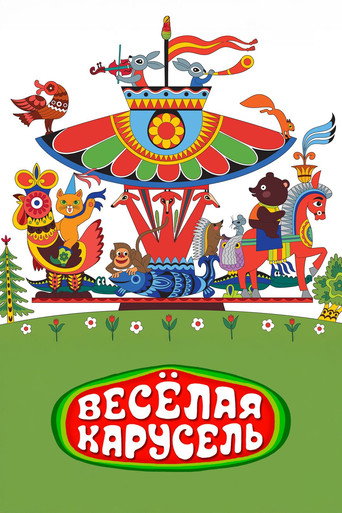 1969 · 8 minHappy Merry-Go-Round
 2021Vovka and Winter in the Kingdom of Far Far Away
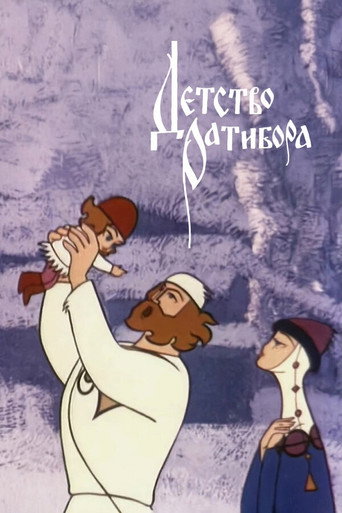 1973 · 20 minThe Childhood of Ratibor
 2022 · 85 minDetective Chirp & the Golden Beehive
 2017 · 6 minTrunky
 1948 · 11 minThe Elephant and the Ant
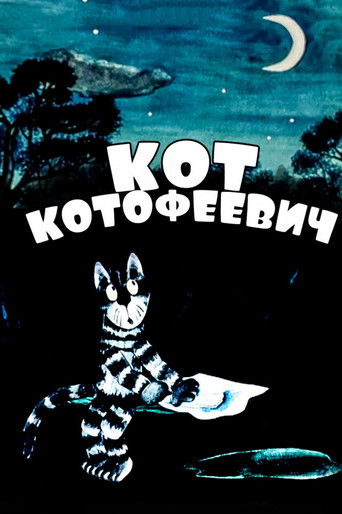 1981 · 10 minCat Kotofeyevitch
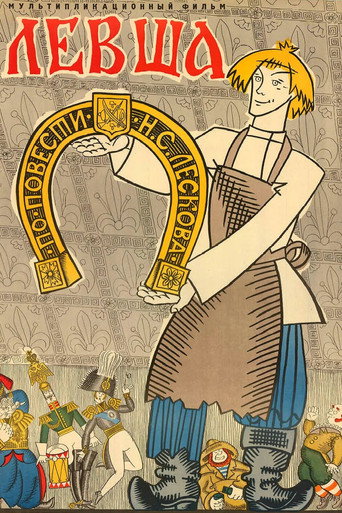 1964 · 43 minLeft-Hander
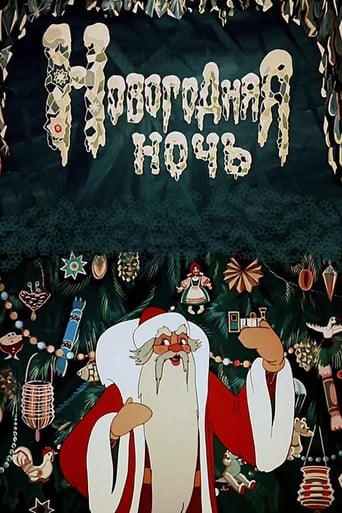 1948 · 10 minNew Year's Eve
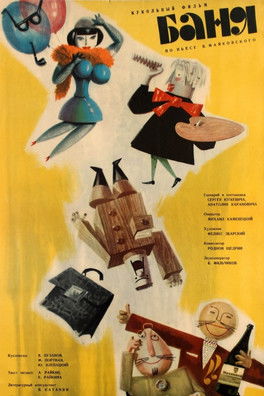 1962 · 53 minThe Bath House
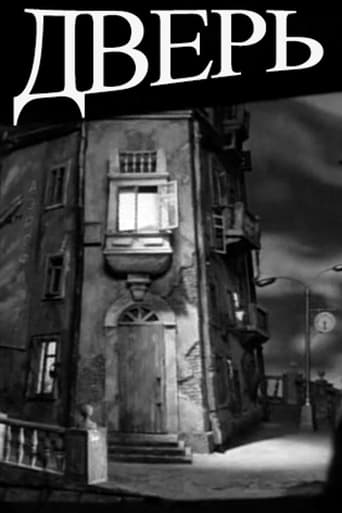 1986 · 11 minThe Door
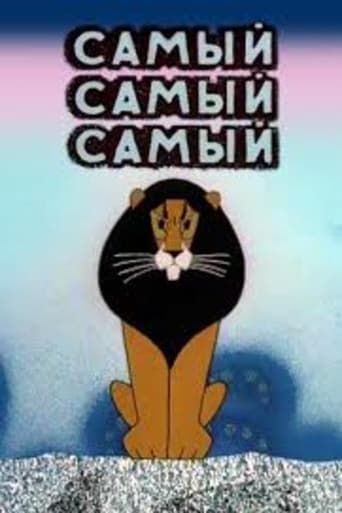 1966The Most, the Most, the Most
Ukrainian animation
All titles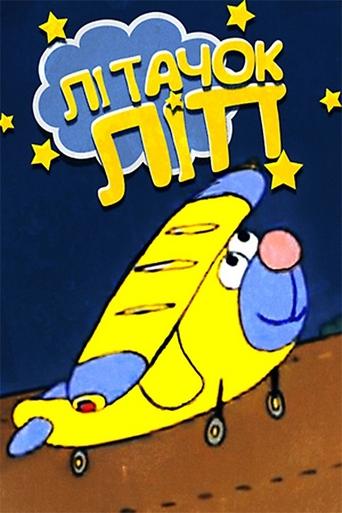 2000 · 10 minLip the Airplane
 1989 · 7 minMy Family
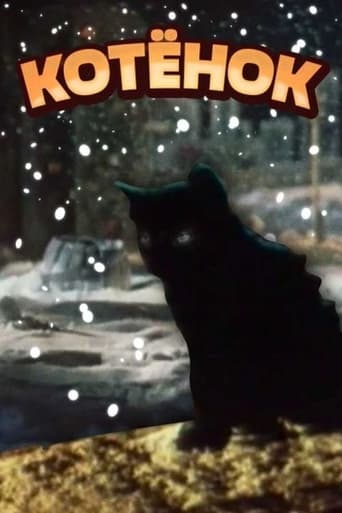 1979 · 6 minThe Kitten
 1995 · 9 minHrytsko’s Easter Eggs
 1990 · 9 minFunny Pot
 1989 · 9 minNaughty Mom
 1988 · 10 minThe Turtle King
 1974 · 9 minThe Boy With The Bridle
 2020 · 5 minImaginary Landscapes
 1983 · 11 minA Favour
 2021 · 14 minUnnecessary Things
 1970 · 9 minMagic Glasses
Folk tales and fairy tales
All titles- 2021Vovka and Winter in the Kingdom of Far Far Away
- 1973 · 20 minThe Childhood of Ratibor
- 1995 · 9 minHrytsko’s Easter Eggs
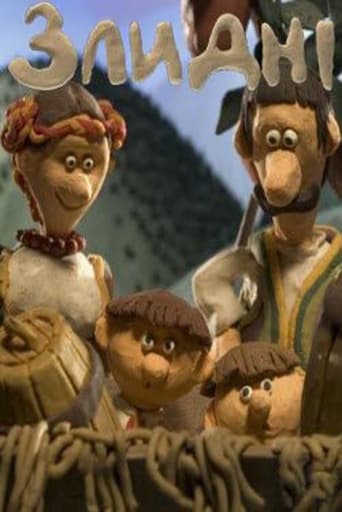 2005 · 12 minZlydni
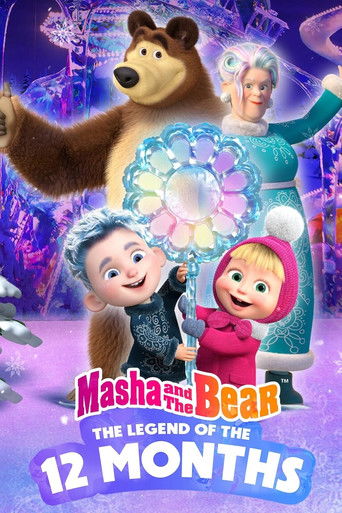 2022 · 23 minMasha and the Bear: 12 Months
- 1970 · 9 minMagic Glasses
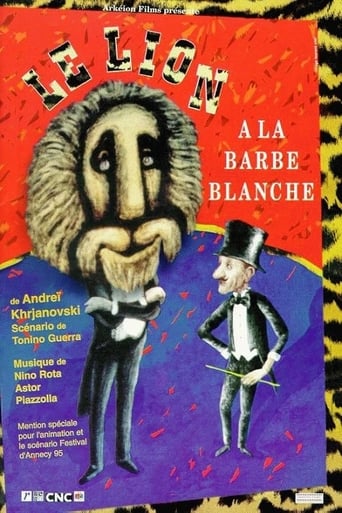 1995 · 31 minThe Lion with the White Beard
 2017 · 22 minA Wonderful Monster
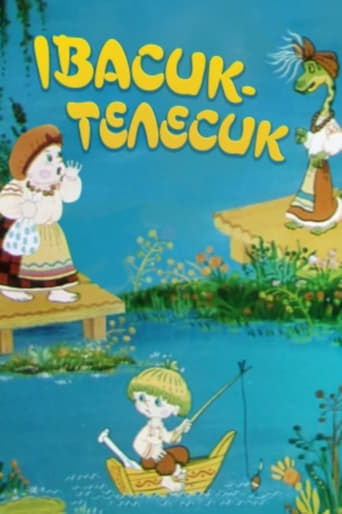 1989 · 10 minIvasyk-Telesyk
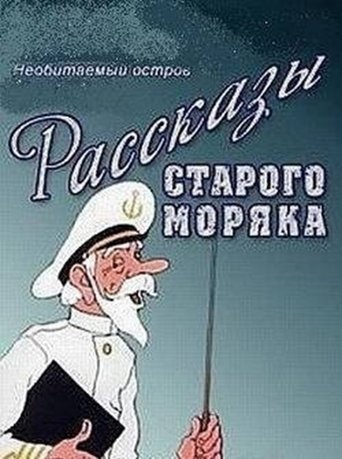 1971 · 19 minUninhabited Island
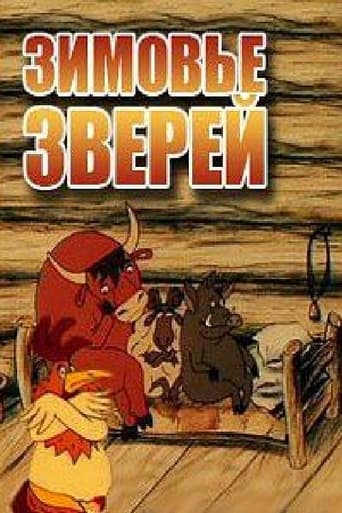 1999 · 10 minAnimals' Winter
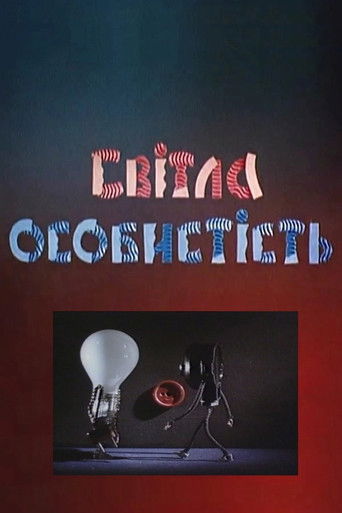 2001 · 10 minBright Personality
Feature films
All titles 2026 · 90 minCats in the Museum 2: Treasures of Egypt
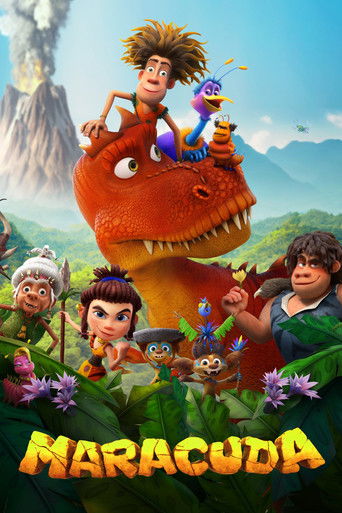 2025 · 90 minThe Myth of Maracuda
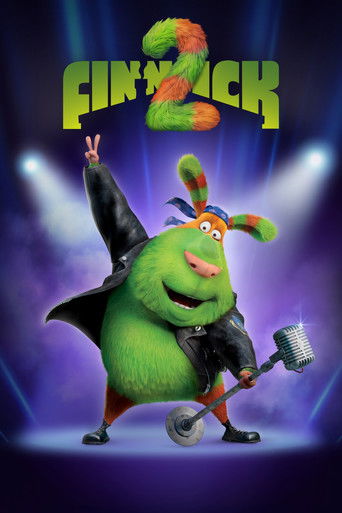 2025 · 85 minFinnick 2
 2025 · 75 minThree Bogatyrs and the Light with a Wedge
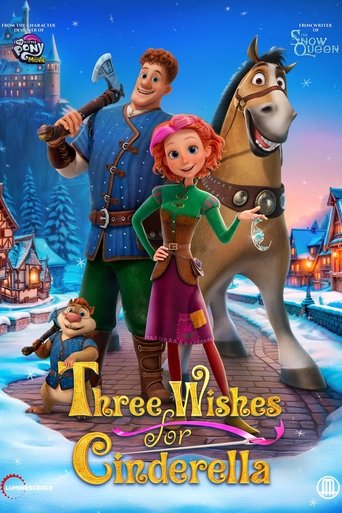 2026 · 82 minThree Wishes of Cinderella
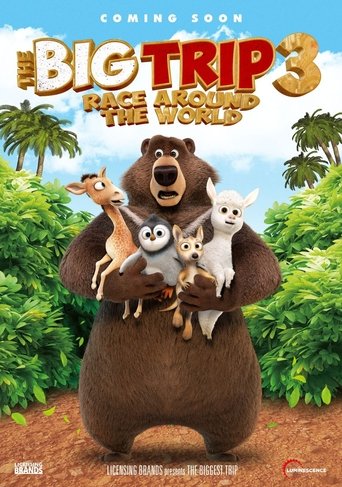 2024 · 85 minThe Big Trip 3: Race Around the World
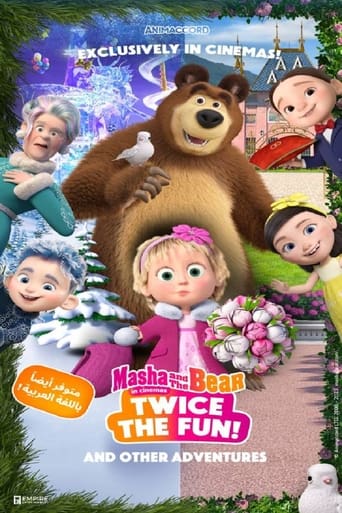 2023 · 80 minMasha and the Bear: Twice the Fun
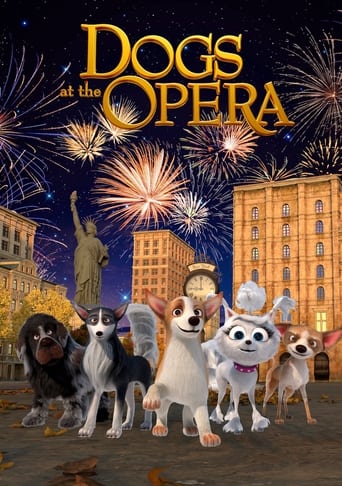 2023 · 74 minDogs at the Opera
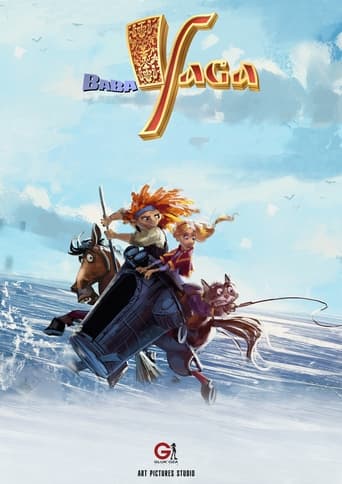 2018 · 63 minBaba Yaga. Beginning
- 2022 · 85 minDetective Chirp & the Golden Beehive
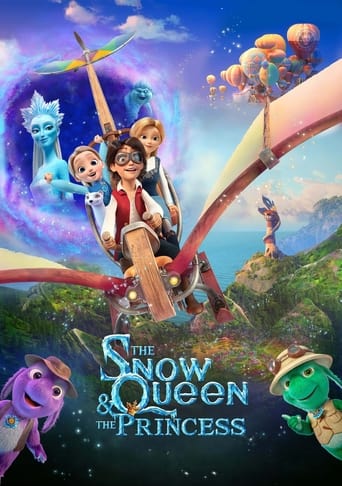 2022 · 76 minThe Snow Queen and the Princess
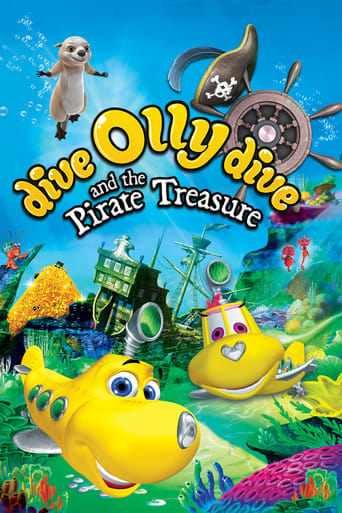 2014 · 80 minDive Olly Dive and the Pirate Treasure
AnimeLIB: a library of Russian and Ukrainian animation, 1934 to 2026, from Soyuzmultfilm and Kyivnaukfilm to Ekran, Pilot and the modern family studios
Some of the most beautiful animated films in the world were made in Moscow and Kyiv. For more than ninety years, the studios of the two cities have produced cartoons, fairy tales, comedies and artistic shorts of astonishing variety: hand-drawn films with the warmth of a picture book, cut-out films that move like folk paintings, puppet films, clay films, films painted on glass and drawn directly onto the film strip. Generations of children grew up with these films, and animators around the world study them for their craft and imagination. AnimeLIB is a library of that world: a hand-picked catalogue of Russian- and Ukrainian-language animation from 1934 to 2026, with a page for each title and a Watch now button that leads to the official services that carry it.
Here you will find 323 titles. There are 91 films from Soyuzmultfilm, the great Moscow studio founded in 1936, from the fairy tales of the fifties to the Wolf and the Hare of Well, Just You Wait! There are 126 Ukrainian films, most of them from Kyivnaukfilm, the Kyiv studio whose animation department made The Forest Song, Adventures of the Cossack Aeneas and a long line of folk tales and gentle animal stories. There are films from the television studio Ekran, the independent studio Pilot and the new studios of the nineties and after, 97 auteur shorts from festival favourites and 47 feature films from classic adventures to modern family hits.
Every title has its own page with the story, the year, the running time and the studio. A Watch now button opens the title on JustWatch for the country you choose, where the subscription, rental, purchase and free services that carry it are listed side by side. Many classic studios also share restored films on their own official channels, and the guides on AnimeLIB point the way to those official sources.
This page is the long guide to the library. It explains how the catalogue is arranged, introduces the great studios and directors, follows the folk tales, the New Year cartoons and the favourite characters, and suggests programmes for an evening at home. Read it from top to bottom, or jump to the section that interests you.
Why this animation
Animation in Moscow and Kyiv grew up in a particular way. The big studios were funded to make films for children and families, with time and budgets that allowed artists to experiment and perfect their craft, and many of the finest illustrators, writers, actors and composers of their time worked on cartoons. The result is a body of work with a strong literary taste, built on fairy tales, fables, poems and classic novels, and a visual richness that ranges from the lush Disney-influenced films of the fifties to the bold design of the sixties and the painterly auteur films of the eighties and nineties.
The films are also wonderfully varied in length and mood. A ten-minute short can be a gentle story about a hedgehog and a bear, a fast slapstick chase, a satirical sketch for grown-ups or a quiet piece of poetry. A feature can be a grand fairy tale, a science-fiction adventure or a documentary drawn in ink. Because so much of the library is short, it is easy to sample: three or four shorts make a satisfying evening, and every one opens a door to a different style.
AnimeLIB is built to make that exploration easy. The library is arranged by studio, by theme and by decade, every title page tells you the story and the studio at a glance, and the Watch now button takes you straight to the official services that carry each film.
How AnimeLIB looks
AnimeLIB takes its look from the archived pages of animelib.me, a Russian-language anime library. A violet top bar runs across the screen with the wordmark, a row of white links, a search box and an outlined My List button. Below it, the page is a calm light grey, and everything sits in clean white panels with small rounded corners, like cards on a library desk.
The main column opens with a short introduction and a row of the latest featured posters, each with a dark gradient label giving the year and the running time. Two panels sit side by side below, one with the newest guides and one with the main shelves, just as the original site placed its news and forum panels. Then comes the library list: each title has a small poster on the left, a title with a thin violet rule beneath it, a red pill showing whether it is a short or a feature, a grey line with the year, the running time and the studio, and a few lines of story. Rows of posters for the main shelves follow.
On the right, a sidebar keeps the library within reach on every page. A ranked list of popular titles shows small posters, numbers and thin blue bars, as the original site did for its most active readers. Below it come grey chips for the shelves and kinds of film, and a list of the newest arrivals in the library. The type is Open Sans, as on the original site. On a phone the sidebar moves below the main column and the menu folds into a button in the top bar.
Using the site
There are four easy ways to find a title. The first is the search box in the top bar: type an English title or part of one, such as Kolobok, Hedgehog or Masha, and the results appear as you type. The second is the library list and the poster rows on the home page. The third is the sidebar, whose chips open every shelf and decade in the library. The fourth is the Browse page, which lists every title from A to Z.
Each title page shows the poster, the year, the running time, the studio and a summary of the story. The Watch now button sits beside a country menu, so you can see the services that carry the film where you live. An Add to My List button saves the film to a personal list that stays in your browser and opens from the outlined button in the top bar.
The shelves
The library is organised into seventeen shelves. Soyuzmultfilm holds the 91 films of the Moscow studio. Ukrainian animation holds 126 films from Kyivnaukfilm, Ukranimafilm and the other studios of Kyiv. Ekran, Pilot and friends gathers 31 films from the television studio Ekran, the independent studio Pilot and other studios. Folk tales and fairy tales gathers 76 shorts built on old stories, New Year and winter holds 25 festive films, and Favourite characters gathers the Wolf and the Hare, Masha and the Bear, Cheburashka, the Kolobki detectives, the Hedgehog and the Bear and other heroes.
Auteur shorts holds 97 personal and festival films made since 1985. Feature films holds the 47 titles of forty minutes or more. Seven decade shelves, from 1934 to the 2020s, let you travel through time, and Top rated holds the titles viewers rate most highly.
Soyuzmultfilm
Soyuzmultfilm was founded in Moscow in 1936 and quickly became the largest animation studio in the country. Over the following decades it made well over a thousand films, and its artists included many of the great names of animation history: Ivan Ivanov-Vano, Lev Atamanov, the sisters Valentina and Zinaida Brumberg, Aleksandra Snezhko-Blotskaya, Roman Kachanov, Fyodor Khitruk, Yuri Norstein, Garri Bardin and many more. AnimeLIB holds 91 of the studio's films.
The earliest films on the shelf show the studio learning its craft. Wash-’em-Clean, from 1939, is Ivanov-Vano's version of Korney Chukovsky's famous poem about a boy whose belongings run away from him because he refuses to wash. A Peacock's Tail and Polcan and Shavka are fables from the forties, and New Year's Eve, from 1948, sends Father Frost into the forest for a New Year tree, where he argues with a wood goblin about the merits of flying carpets and aeroplanes.
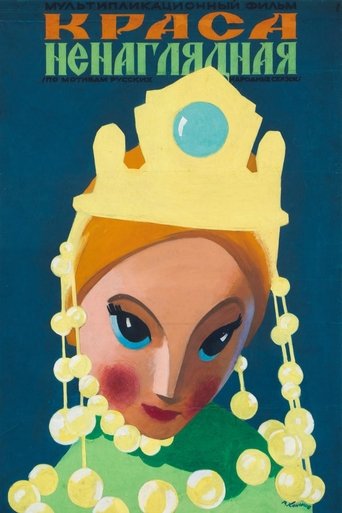
The fifties are the era of the great fairy tales, made in a rich, rounded style with careful animation. Kolobok follows the runaway dough ball of the Russian folk tale through the forest to its fateful meeting with the fox. Island of Mistakes sends a careless schoolboy to an island where every wrong answer comes to life. The Snowman-Postman has a snowman carry the children's letter to Father Frost, A Brave Hare gives a boastful hare the chance to prove himself, and Wishes Come True and Beloved Beauty are lavish magical adventures. The Boy from Napoli and Brothers Liu bring tales from Italy and China, and The Yellow Stork adapts an old Chinese story about a magical bird painted on a wall.
The sixties brought a modern look. Flat, graphic designs and limited animation, inspired by the American UPA studio and the new illustrators of the time, appear in comedies such as Big "Wick" and The Bath House, an adaptation of Vladimir Mayakovsky's satirical play about a time machine and the bureaucrats who refuse to fund it. Left-Hander, made by Ivanov-Vano with cut-out figures that look like painted wooden toys, adapts Nikolai Leskov's story of a master craftsman from Tula who shoes a mechanical flea. The Shepherdess and the Chimney Sweep, directed by Lev Atamanov, retells Hans Christian Andersen's tale of two porcelain lovers, and Atamanov's The Key is a longer comedy about a boy who receives a magical key from three fairy godparents.
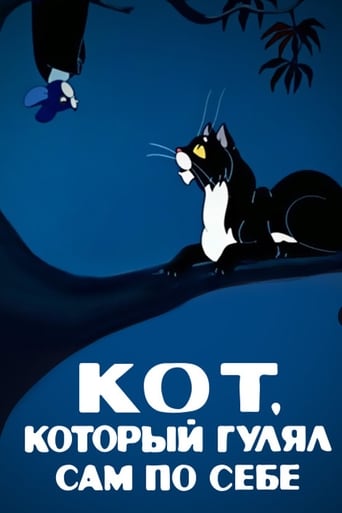
Aleksandra Snezhko-Blotskaya made several of the studio's most elegant films. Verlioka is a Slavic fairy tale about a one-eyed forest bully, The Dragon adapts a tale from Myanmar, Daughter of the Sun follows a hunter who brings the sun back to his people after the long polar night, and Barankin, Be a Human! turns a lazy schoolboy into a sparrow, a butterfly and an ant until he learns to value his lessons. Her masterpiece here is The Cat That Walked by Himself, a twenty-minute adaptation of Rudyard Kipling's Just So story about the first days of people and animals, with a proud, independent cat who makes his own bargain with the human family. Her Prometheus tells the Greek myth of the titan who brought fire to humankind.
The seventies brought some of the studio's best-loved longer films. The Blue Bird, directed by the actor and animator Vasily Livanov, adapts Maurice Maeterlinck's play about two children who search for the bird of happiness, accompanied by their dog, their cat and the spirits of bread, sugar, water and fire. Magician Bakhram's Heritage is a modern adventure in which a schoolgirl accidentally kidnaps the servant of a wizard, and An Extraordinary Journey and Uninhabited Island follow the young crew of a bathyscaphe through the history of the sea. Shorter films include The Silver Hoof, from the Ural tales of Pavel Bazhov, Crane’s Feathers, from a Japanese folk tale, Rainbow and Tom Thumb.
The studio also made many comedies. Vyacheslav Kotyonochkin, the director of Well, Just You Wait!, made One Was Caught Who Bit and He Got Caught!, two sharp fables about friendship and courage among the forest animals. Cat Kotofeyevitch has a clever fox pass off a stray cat as a fearsome tiger, A Home for the Leopard is an ironic tale of a leopard who finally needs a house, and A Present for the Weakest sends the king of beasts in search of a gift for the timid hare. The Most, the Most, the Most, directed by Vasily Livanov, crowns a lion king of the animals around Lake Chad, with very funny results.
In the eighties, Garri Bardin brought new materials to the studio. Break! is a clay parody of professional boxing, and Marriage tells the story of dating, love and family life using only two pieces of rope. Nina Shorina's The Door is a puppet film about the residents of a building who keep climbing in and out through the windows long after their broken front door is repaired, and her Dream follows dreamers who sink deeper into sleep. Ivan Maximov's From Left to Right is a gentle, surreal piece about strange creatures formed from moonlight.
Favourite characters
Every country has its cartoon stars, and the Favourite characters shelf gathers some of the best loved. The most famous of all are the Wolf and the Hare of Well, Just You Wait!, created by Vyacheslav Kotyonochkin at Soyuzmultfilm in 1969. The formula is a chase: the scruffy, swaggering Wolf tries to catch the clever little Hare, and every attempt ends in disaster, with the Wolf's famous cry of the title. The Wolf was voiced for years by the great actor Anatoli Papanov, and the films are full of music, sport and city life. On AnimeLIB you will find Well, Just You Wait! 11, set in a circus; Well, Just You Wait! 13, in which the two rivals take part in the 1980 Olympic Games; Well, Just You Wait! 16, in which a sunstroke sends the Wolf into a world of fairy tales; and Well, Just You Wait! 18, from 1994.
The Kolobki are two round little detectives, the Chief and his Colleague, created by Igor Kovalyov and Aleksandr Tatarskiy at Ekran. In Investigation Held by Kolobki. Part 1 they search for a missing striped elephant, and in Investigation Held by Kolobki. Part 2 they chase the smuggler Karbofos, who has stolen it from the zoo. The quirky humour and loose drawing style of these films made them cult favourites and pointed towards the work that Tatarskiy's studio Pilot would do later.
The Hedgehog and the Bear, the gentle friends from the stories of Sergei Kozlov, appear in two Kyivnaukfilm films: How The Hedgehog And The Bear Celebrated The New Year, in which the two friends search the snowy forest for a New Year tree, and How the Hedgehog and the Bear-Cub Changed the Sky. Cheburashka, the big-eared creature created by the writer Eduard Uspensky, returns in Cheburashka. The Secret of the Holiday, in which the New Year tree mysteriously disappears, and Uspensky himself is the subject of the documentary This Is Edik.
Among the modern stars, Masha and the Bear has become one of the most watched cartoons on the planet. The series by Oleg Kuzovkov and the Animaccord studio follows a tireless little girl and the patient retired circus bear who looks after her. The library holds Masha and the Bear - To the Cinema, Masha and the Bear: 12 Months, Masha and the Bear: Say Cheese! and the feature Masha and the Bear: Twice the Fun. Other modern favourites include Moonzy: Homecoming, with the little moon creature Luntik and his insect friends; Space Dogs: Tropical Adventure, with the famous space dogs Belka and Strelka; Three Bogatyrs and the Light with a Wedge and Ivan Tsarevich & the Grey Wolf 5, from the long-running fairy-tale comedies of the Melnitsa studio; and The Bench, a short with Krosh and Hedgehog from the Smeshariki series, known abroad as Kikoriki.
Ukrainian animation
Ukraine has one of the oldest animation traditions in Europe. The first Ukrainian cartoons were made in the twenties and thirties, and the library holds two of them: Tuk-Tuk and His Friend Zhuk, from 1935, in which a boy and his dog defend their vegetable garden from a pig and a fox, and Cocky Chick, from 1936, about a little chick who becomes a little too proud of himself. An Agreement in the Forrest, from 1937, is a fable about animals who agree to live in peace until a fox arrives with a barrel organ.
The great age of Ukrainian animation began in 1959, when the Kyiv studio Kyivnaukfilm, originally a studio of popular-science films, opened an animation department. Over the next three decades its artists made hundreds of films, and AnimeLIB holds more than a hundred of them. Their style is distinctive: bright colours, folk patterns, humour and a deep love of Ukrainian legends and literature.
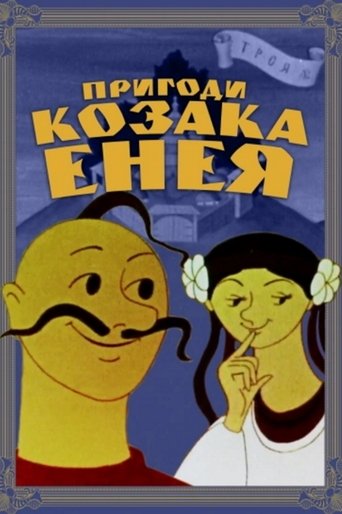
Nina Vasylenko made several of the studio's grandest films. Adventures of the Cossack Aeneas is a playful version of Ivan Kotliarevsky's comic poem, in which the hero of Virgil's Aeneid becomes a cheerful Cossack chased around the world by the goddess Juno. Marusia Bohuslavka tells the legend of a Ukrainian girl taken captive in the sixteenth century who helps her fellow prisoners escape. The Boy With The Bridle retells the legend of a shepherd boy who saved Kyiv from a siege in the tenth century, and The Tale of Ihor's Campaign is styled like a Byzantine icon. Volodymyr Honcharov's And Their Sister Lybid tells how three brothers and their sister founded the city of Kyiv.
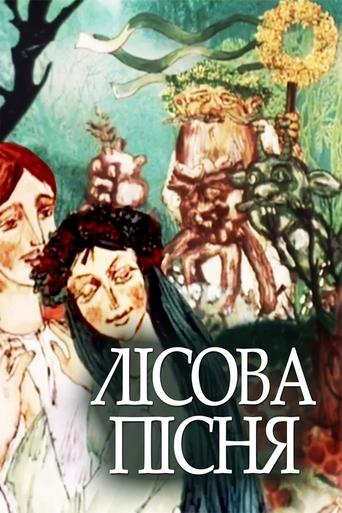
Alla Grachyova made the studio's most lyrical films. The Forest Song adapts Lesya Ukrainka's verse drama about Mavka, a forest spirit who falls in love with a young man called Lukash, in a film full of the colours of the Ukrainian woods. Grachyova also made many gentle films for young children: The Tiger in the Teapot, in which a family finds a tiger cub in their tea; Big, Gray, Shaggy, in which a puppy is frightened by the morning fog; Autumn Fishing, with two bear cubs on the last warm day of the year; The Girl and the Hares; Sun Loaf; Bashmachki, in which shoes come to life at night; and The Mystery of the Strawberry Land.
Borys Khranevych specialised in folk tales full of humour. Roll Peas tells of the hero Kotyhoroshko, born from a pea, who defeats the dragon Horynych. Ivanko and the Crow King, Mikolino's Wealth and The Fox With The Rolling Pin are lively village tales, and The Cockerel and The Sun is a sweet fable about a rooster who believes his crowing wakes the sun. Yevhen Syvokin, one of the studio's great satirists, made Castling (An Aquarium Confession), Beware — the Nerves!, Tale About The Good Rhinoceros and Fairytale About White Iceberg, whose penguin and whale gave Ukraine a famous catchphrase about tidiness, along with the tender The Window and Snow Will Cover the Roads.
The later Kyivnaukfilm films are often playful experiments. Natalia Marchenkova made My Family, in which a boy's homework essay fills up with facts from a nature programme, What Is Going On Here?!!, Love and Death of the Ordinary Potato and Essay on Grandfather. Volodymyr Dakhno, the creator of the famous Cossacks series, appears with How a Cossack Sought Happiness, Family Marathon, Parasolka In The Circus and a detective comedy about a bear called Detective Teddy who searches the city for two missing cubs. Mykhailo Titov's The Meeting and The Crocodile show the bold, chimerical style he developed in the eighties, and Tadeush Pavlenko's Where Are You, My Friends? is a Ukrainian version of Dr. Seuss's Horton Hears a Who!
After 1991 the studio continued as Ukranimafilm, and a new generation of Ukrainian animators has followed. Oleh Pedan made Iron Wolf, Bright Personality, a puppet film about a city of light bulbs, and Lakhmitko, about a brave little rag doll. Serhii Melnichenko made The Fish-Tailed Girl and A Wonderful Monster, Maryna Medvid made the feature Babay, about a magic egg that grants one wish, and Mykyta Lyskov made the festival shorts Birds, Eye and Imaginary Landscapes. The War That Changed Rondo, adapted from a much-loved Ukrainian picture book, tells children about courage and hope in a gentle fable of light.
Ekran, Pilot and friends
Ekran was the animation studio of Soviet state television, founded in 1968 to make films for the small screen. Its films are often more playful and experimental than the cinema cartoons. A Tale of Lost Time follows three lazy children whose time is stolen by evil wizards, turning them into old people. Space Visitors is a mysterious science-fiction serial about a black sphere, and Here There Be Tygers, adapted from Ray Bradbury, lands a crew of explorers on a planet that seems alive. Wolf and the Seven Goats in a New Way turns the old tale into a cheerful musical, On the Road with Clouds sends a little tiger and a monkey on a walk among the clouds, and Pirat's Notes is the diary of a dog who can read and write.
In 1988 Aleksandr Tatarskiy and Igor Kovalyov founded Pilot, the first independent animation studio in Moscow, and it soon became famous for its wit and freedom of style. Tatarskiy's own Gone with the Wind follows a chicken who wants to return to her old life. Aviators is a comic parachute jump, and Knock-Knock, by Konstantin Bronzit, follows four lonely neighbours whose quiet lives are turned upside down by a mysterious knock. Bronzit, later twice nominated for the Academy Award, also directed the Luntik feature Moonzy: Homecoming.
Other studios fill out the shelf. Shar, the animation school and studio founded in Moscow in 1993, made Lola the Living Potato and Cucumbers, both by Leonid Shmelkov, and Ties is Dina Velikovskaya's festival favourite about a daughter who leaves home but stays connected to her family by a thread. Mikhail Aldashin's Bugs is a funny look at the lives of insects, and Andrey Khrzhanovsky, one of the great masters of art animation, appears with The Lion with the White Beard, from a story by Tonino Guerra about a circus lion and his old trainer, and A Cat and a Half, a portrait of the poet Joseph Brodsky.
Folk tales and fairy tales
Folk tales are the heart of this library. The Folk tales and fairy tales shelf gathers 76 shorts built on old stories, and together they form a wonderful introduction to the folklore of Eastern Europe and beyond.
The Russian tales feature familiar characters. Kolobok, the runaway dough ball, rolls through the forest in Kolobok. Baba Yaga, the witch who lives in a hut on chicken legs, appears in Two Maples, in which she turns the children of Vasilisa into two trees until their mother's love defeats her, and she becomes a comic heroine in Baba-Yaga Against!, in which she competes with Misha the Bear to become the mascot of the 1980 Olympic Games. Tops and Roots shows a clever peasant outwitting a lazy bear twice over the harvest, and Ilya Muromets and Highwayman Nightingale follows the legendary warrior on his way to Kyiv. Verlioka, Validoob - Fell Oak, The Heart of the Brave, Bear - Lime Leg and The Pipe and the Pitcher round out the classic Russian tales.
The Ukrainian tales are just as rich. In Ivasyk-Telesyk, an old couple's wish for a child is granted by a log in a cradle. In Roll Peas, Kotyhoroshko fights the dragon Horynych. In Zlydni, a clay film based on a Hutsul tale, a pair of mischievous little troubles move into the house of a good farmer and his wife. The Little Mitten tells the old story of the animals who squeeze one by one into a lost mitten, The Very Old Fairy Tale gives Kolobok a Ukrainian twist, and The Golden-Horned Deer follows a shepherd who saves a magical deer from a greedy king.
Tales from other lands come too. Brothers Liu adapts a Chinese tale about three identical brothers with magical powers, The Dragon comes from Myanmar, Crane’s Feathers from Japan, The African Tale from a fable recorded by Jomo Kenyatta, and A Mouse and a Camel from Mongolia, explaining how the mouse won a place in the zodiac. The Shepherdess and the Chimney Sweep, Little Match Girl and The Story Of The Girl Who Stepped On Bread all come from Hans Christian Andersen, and Little Blue Hat from a Scottish tale.
New Year and winter
New Year is the biggest holiday of the year in Russia and Ukraine, with a decorated tree, presents from Father Frost and his granddaughter the Snow Maiden, and a feast at midnight, and animators have made New Year films since the forties. The New Year and winter shelf gathers 25 of them.
The classics come first. In New Year's Eve, from 1948, Father Frost goes into the forest for a tree. In The Snowman-Postman, from 1955, children build a snowman to carry their letter to Father Frost, and in New Year's Trip, from 1959, a little boy wants to send a New Year tree to his father, a weatherman in Antarctica. The Blue Arrow, from 1985, follows the toys of a shop who set off on a toy train to bring presents to a poor boy, and Miss New Year holds a beauty contest among the forest animals.
From Kyiv come How The Hedgehog And The Bear Celebrated The New Year, The Sun and the Little Snow Men, in which snowmen worry about the warm sun, The Little Mitten, A Christmas Tale and New Year's Adventure of Movie, in which a dog saves Father Frost's gifts from a gang of cats. The modern films include Vovka and Winter in the Kingdom of Far Far Away, a sequel to a much-loved cartoon of 1965, Magic Shop, The Sled, Masha and the Bear: 12 Months and The Snow Queen and the Princess, from the Wizart studio's popular Snow Queen series.
Feature films
The Feature films shelf gathers 47 titles of forty minutes or more, from the classic studios to the modern family hits. The classic features include Beloved Beauty, a magical adventure from 1959; The Key and Left-Hander from the sixties; The Bath House, Big "Wick"; and The Blue Bird, from 1970. The New Bremen Musicians, from 2000, is a sequel to the famous musical cartoons of the sixties and seventies, and Garri Bardin's The Ugly Duckling, from 2010, retells Andersen's story as a musical comedy set to Tchaikovsky in a farmyard full of clay and puppet birds.
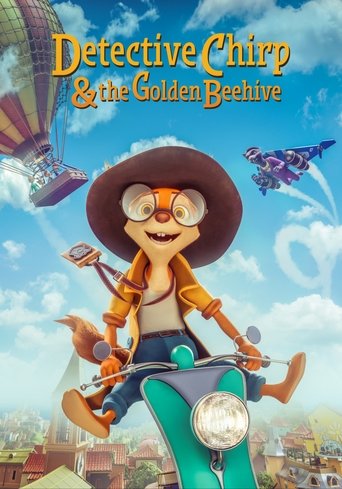
The modern studios have produced a wave of bright family features. Dogs at the Opera follows a stray dog who finds himself in the Bolshoi Theatre in early twentieth-century Moscow. Cats in the Museum 2: Treasures of Egypt sends a mouse and two cats from St. Petersburg to the pyramids of Egypt, and The Big Trip 3: Race Around the World reunites the heroes of the Big Trip films. Little Brownie Kuzya brings back the house spirit Kuzya from a classic cartoon, Baba Yaga. Beginning imagines how the witch of the tales came to live in her hut, and Sadko, Sinbad: Pirates of the Seven Storms and The Myth of Maracuda are swashbuckling adventures. Special, Teddy Boom!, Detective Chirp & the Golden Beehive, Leo and Tig. The Road to Baikal and Three Wishes of Cinderella complete a varied programme.
The shelf also holds three remarkable art films. Petersburg, by Irina Evteeva, is a poetic essay on the city painted directly onto film. Rezo is a documentary about the Georgian director, artist and puppeteer Rezo Gabriadze, told largely through his own drawings, and The Book of the Sea mixes documentary with animation to tell the legends of the Chukchi and Inuit hunters of the Bering Strait.
Auteur shorts
From the mid-eighties onward, a new generation of animators began to make deeply personal short films, and the Auteur shorts shelf gathers 97 of them, from Moscow, Kyiv and beyond. These films travel the festivals of Annecy, Ottawa, Zagreb, Hiroshima and Berlin, and many have won major prizes.
Some are gentle and funny. My Mom Is an Airplane!, by Yulia Aronova, imagines a mother who flies away on business trips like an aeroplane and comes home with stories from all over the world. Popsicle, also by Aronova, follows a circus penguin who becomes homesick when he sees a picture of snow and ice on an ice-cream wrapper. The Flying Boy lifts off the ground every time he laughs or sings, Dogs Smell Like the Sea is a tender story about a dog who chooses someone else as his owner, and Spider Web tells of a curious spider who makes friends with an old lace-maker.
Others are quietly poetic. Among the Black Waves adapts a northern legend about a seal woman whose skin is stolen by a hunter. My Childhood Mystery Tree follows a boy who must leave the inner world of his childhood behind when he loses his favourite teddy bear, and Tweet-Tweet compares life to a walk along a tightrope that turns into flight when we are happy. Apartment is as Quiet as Paper sets a poem by Osip Mandelstam, and Nestlings of the Sea draws and scratches directly onto old amateur film. The Beginning of The Light retells a creation myth of the sun and moon, and Little House of Toys follows toys whose fate changes as their owner grows up.
The Ukrainian auteurs are just as inventive. Oh, Paris! follows an old lady who has dreamed all her life of visiting Paris, The Play for Three Actors shows puppets rebelling against their puppeteer, Attraction is a parable about life as a game, White Crow follows a small creature who climbs towards the sun, and Unnecessary Things follows a robot who buys an old man from a shop of unwanted things and finds a friend.
Ninety years of animation
The decade shelves let you watch this animation grow. The 26 films from 1934 to 1959 include the first Ukrainian cartoons and the classic Soyuzmultfilm fairy tales, made in a rich, rounded style. The 29 films of the 1960s bring flat, graphic design and satire, and the first films from Kyiv. The 57 films of the 1970s and the 71 films of the 1980s are the largest decades in the library, the golden age of Kyivnaukfilm and a period of extraordinary variety at Soyuzmultfilm and Ekran, from slapstick to poetry.
The 33 films of the 1990s show the art of animation finding new paths after 1991, with new independent studios such as Pilot and Shar and new festival films from Kyiv. The 68 films from 2000 to 2019 bring the first big modern features and the rise of the auteur short, and the 39 films of the 2020s show a busy industry of family features and festival films.
Techniques and styles
One of the joys of this library is its variety of techniques. The classic hand-drawn films of Soyuzmultfilm, such as Kolobok, The Snowman-Postman and Island of Mistakes, were made with the same careful cel process as the great Hollywood cartoons, and some used rotoscoping from live actors to give fairy-tale princes and princesses lifelike movement. Cut-out animation, in which paper or card figures are moved under the camera, gave Left-Hander its look of painted wooden toys and the Kyiv films their folk-art flavour.
Puppet and stop-motion films are a strong tradition too. Nina Shorina's The Door uses puppets in a real miniature courtyard, Garri Bardin used clay for Break! and rope for Marriage, and Zlydni tells a Hutsul folk tale in plasticine. Painting on film and on glass appears in Petersburg, and Nestlings of the Sea draws and scratches straight onto old film stock. The modern features use computer animation, while many of the newest auteur shorts return to hand-drawing, pencil and watercolour.
Music and voices
Music plays a starring role in these films. Many of the classic cartoons were scored by leading composers of their day, and songs from Well, Just You Wait!, The Bremen Town Musicians and the New Year films are known by heart across the region. The voices were often provided by famous stage and screen actors: Anatoli Papanov as the Wolf of Well, Just You Wait!, and great actors of the Moscow and Kyiv theatres in dozens of fairy tales. Wolf and the Seven Goats in a New Way and The New Bremen Musicians are musicals from beginning to end, and Bolero sets Maurice Ravel's famous piece to a stream of surreal paintings.
Building a programme
With a library this varied, the best way to explore is to build a little programme of your own with My List. Here are a few to start with.
A classic Soyuzmultfilm evening: Kolobok, Island of Mistakes, The Shepherdess and the Chimney Sweep, The Cat That Walked by Himself, Well, Just You Wait! 11 and The Blue Bird. A Kyiv programme: Roll Peas, How The Hedgehog And The Bear Celebrated The New Year, The Tiger in the Teapot, Fairytale About White Iceberg, Adventures of the Cossack Aeneas and The Forest Song.
A winter programme for the holidays: New Year's Eve, The Snowman-Postman, New Year's Trip, The Little Mitten, The Blue Arrow and Vovka and Winter in the Kingdom of Far Far Away. A festival programme for grown-ups: The Door, Marriage, Knock-Knock, The Lion with the White Beard, Ties, Among the Black Waves and Petersburg.
A folk-tale tour of the world: Brothers Liu, The Dragon, Crane’s Feathers, The African Tale, A Mouse and a Camel and Little Blue Hat. And a programme of favourite characters: Investigation Held by Kolobki. Part 1, Well, Just You Wait! 13, Cheburashka. The Secret of the Holiday, Masha and the Bear: 12 Months and Moonzy: Homecoming.
For families
Most of this library was made for children, and it is a treasure for families. The youngest viewers love the short animal stories from Kyiv, such as The Tiger in the Teapot, Big, Gray, Shaggy, The Thread and the Kitten, How The Cat And The Dog Washed The Floor and The Girl and the Hares, and the gentle Soyuzmultfilm tales such as A Brave Hare, Different Wheels and The Brave Little Deer. Slightly older children enjoy the comedies of Well, Just You Wait! and the adventures of the Kolobki, and the modern features are made for the whole family.
Some films on the auteur shelf are meant for older viewers, with grown-up themes of memory, loneliness and loss. Every title page carries a summary of the story, so parents can choose with confidence, and the Folk tales, New Year and Favourite characters shelves are an easy place to start with young children.
The Kyiv shelf is full of further small treasures for young viewers. In Dandelion the Puffy Cheeks, a curious grasshopper wonders why a dandelion has such round cheeks and a thin stem. In Jump To The Cloud, a kangaroo helps a platypus catch a cloud, and in Autumn Waltz, a cheerful bear teaches a little frog to smile. Indocile Sparrow follows a young sparrow who wants to grow up too fast, Desperate Cat Vaska climbs onto the rooftops of Kyiv for the view, Baby Mice outwit a lazy cat, and Where Are You My Horse?.. tells of a boy who remembers his friendship with a horse when he returns to the countryside. Each runs about ten minutes, which makes them perfect for bedtime.
Languages and subtitles
The films in the library were made in Russian or Ukrainian, and many of the shorts tell their stories through music and pictures alone, so that anyone can enjoy them. The studios and their official channels often add English subtitles, and the best-known features and series have dubbed versions in several languages. Every title in AnimeLIB is listed under its English title, with a summary of the story in English.
The AnimeLIB guides
Fifteen short guides sit beside the library. How to watch explains the Watch now button step by step, Finding a title gives search tips, and My List explains how to build your own library and move it to another device.
The shelf guides open shorter routes: the Soyuzmultfilm guide, the Ukrainian animation guide, the Folk tales guide, the New Year cartoons guide and the Feature films guide. The practical guides cover Languages and subtitles, Free classic animation, Apps and devices, Where AnimeLIB titles stream, Watching safely, Is AnimeLIB working? and The official AnimeLIB site.
How the library is chosen
AnimeLIB is a hand-picked library. Every film was checked by hand against its story and credits, and the catalogue favours films that are well made, rewarding and suitable for a broad audience. Political propaganda, war films, adult and erotic shorts, horror adaptations and films built around alcohol are kept out of the library so that it stays welcoming for everyone. Ukrainian studios and films are presented as Ukrainian, and every studio is named as it is credited.
Posters and production details come from TMDB, the community-built film database, and the availability shown by Watch now comes from JustWatch, which tracks the official services in each country. The words on this page and in the guides are written for AnimeLIB by its own editorial team.
Watching today
Classic animation from Moscow and Kyiv is easier to find today than ever. Many studios and film archives have restored their classic films and share them on their own official channels, often with subtitles, and modern features and series appear on family streaming services in many countries. Restored collections are available on disc and in digital stores, and public libraries and cultural institutes often lend them too. The Watch now button on every title page shows the official services that carry each film in your country.
For the best experience, watch the classic shorts in small groups of three or four, mixing studios and decades, and let the music and colours carry you. Many of these films were made with extraordinary care, frame by frame, and they reward a big screen and a second viewing.
Welcome to the library
The animation of Moscow and Kyiv is a treasure house: fairy tales and fables, comedy and poetry, grand features and tiny personal films, made by generations of artists with great skill and imagination. The 323 titles on AnimeLIB open the door to that treasure house, from the first Ukrainian cartoons of the thirties to the newest family features.
Search for a title, open a shelf from the sidebar or start with one of the programmes above. Press Watch now, choose your country, and enjoy. Welcome to AnimeLIB.
Questions
What is AnimeLIB?
AnimeLIB is a library of 323 Russian- and Ukrainian-language animated films from 1934 to 2026, with a Watch now button that opens each title on JustWatch for your country.
Which studios are in the library?
Soyuzmultfilm, Kyivnaukfilm, Ukranimafilm, Ekran, Pilot, Shar and the modern family studios such as Animaccord, Melnitsa and Wizart.
Which Well, Just You Wait! episodes are here?
Episodes 11, 13, 16 and 18 of the Wolf and the Hare are in the library, along with the Kolobki detectives, Masha and the Bear, Cheburashka and the Hedgehog and the Bear.
Are there English subtitles?
Many studios and services add English subtitles, and many shorts tell their stories through music and pictures alone. Every title is listed under its English title.
Which films suit young children?
The short animal stories from Kyiv, the Soyuzmultfilm fairy tales and the New Year cartoons are perfect for young children.
Where can I watch for free?
Many studios and archives share restored classics on their official channels, and Watch now lists free services each time they carry a title in your country.
How does My List work?
Press Add to My List on any title page. The list stays in your browser and can be exported to another device.
Does AnimeLIB work on a phone or TV?
AnimeLIB works in any current browser. On a television, press Watch now and open the chosen service's own app.
Why does AnimeLIB look the way it does?
The violet top bar, the white panels, the library list and the sidebar of shelves come from the archived design of animelib.me.